
The once forested Pilanesberg Mountains are now covered with scattered rocks and Euphorbia cooperi, through two hundred years of rough agriculture practices and control burns man has shaped the mountains to become arid and desert. The peaks stand naked before the blue skies and the little rain that comes down each year only fills its crevasses with green shoots for less than a week. Mountain Bush-willows, Acacias, and the rare rock fig can be seen on long walks up the steep sides of the mountain chain. Patches of Baboon’s tail burnt to the roots crunch under my boots and leave a strong crisp smell after being smashed. The iron dense sandy silt is red dust and gathers on my trousers and boots, when it rises it sticks to the sides of my nostrils drying my breath always making it harder to breathe. At the valley ground we are situated about 1700 m above sea level. The mountains stand about another 100 to 200 meters high. The climb up is not easy, having lived at sea level my whole life my lungs still need a good couple of months to acclimate. The felt has a high ph level in the soil making all the vegetation around the area sour for the grazing animals. Erosion from summer rains is evident during these winter months, the drained miniature canyons resemble the valleys of larger canyons out west. The fragile walls of the erosion continue to deposit the sand and silt into the small ridges at their bottom. Drops of water filter through their mouths into the a deposit of rich smelling peat that leads into the eye of a underground river.
The grassland is yellow and when sunset comes around the land the Red Natal grass, the red dusty sand, and the yellow Spear and Guinea grass fill me up with a sense of overwhelming comfort. Above the wetlands in the deepest gully of the valley during the early part of the evening evaporation from the days hot sun is seen has a thick fog or mist about 2 meters above the bed of reeds. The cold sets in and the breeze is frigid enough to break ones comfort.
The hippo walk at night becomes unfamiliar to me, the pitch black night obviously makes it difficult to navigate, even with a good torch. The two Pygmy Hippos are the most alive at night, they rummage and forage through their 3 hectare enclosure. The smell of fresh dung drifts in the area and all around there are traces of the hippos last meal. The hippo in my own opinion is an animals that must enjoy a good shit seeing how they can fling it a good 5 meters away, they mark their territory and good grazing spots so they can come back and graze on that same spot. Their tail spreads their dung almost giving the metaphor “when shit hits the fan” a real visual.
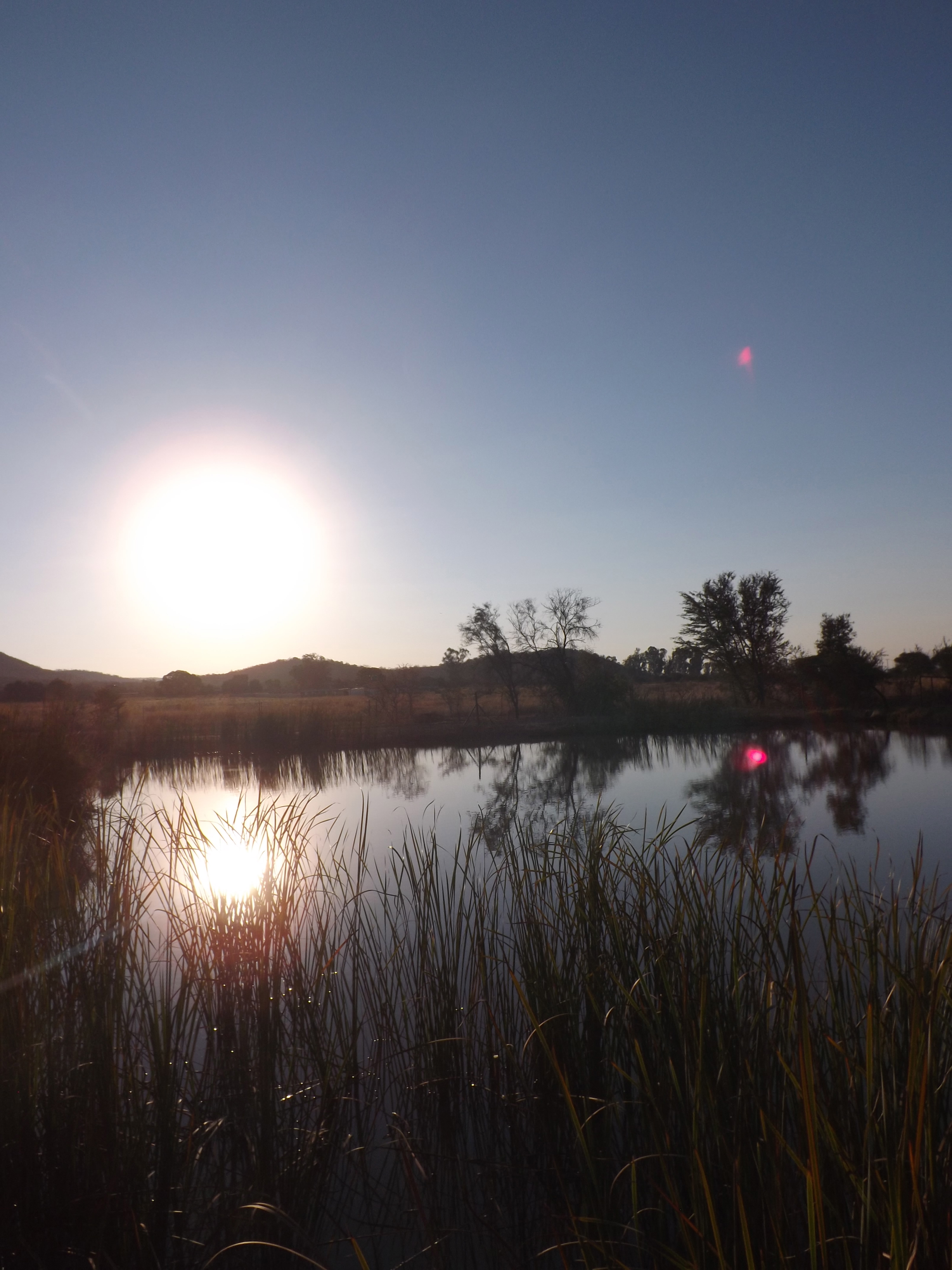
 Lalabhais Lullaby